Table of Contents
- Political and Social Climate
- Corruption in the Catholic Church
- Technological Advancements
- Key Figures and Their Roles
- Impact on European Society
- Legacy of the Reformation
- Conclusion
The Protestant Reformation stands as one of the most significant turning points in the history of Christianity and Western civilization. Its influence echoes through the centuries, shaping not only the religious landscape but also society’s values, civil governance, and personal faith. Anyone seeking to understand this era would benefit from a closer look at its origins, its key figures, and its far-reaching consequences. For a deeper look at reformation history, resources are available to support greater insight and learning. This transformative moment in history did not arise overnight. Rooted in a climate of political unrest, social change, and growing demands for scriptural integrity, the Reformation was kindled by those who sought wisdom, truth, and faithful discipleship. The events and movements that followed became a catalyst for centuries of spiritual growth and religious renewal, anchored in the desire to return to the foundations of scripture and grace.
Political and Social Climate
During the early 16th century, Europe resembled a tapestry of feudal territories. Regional rulers wielded significant power within their domains, yet the Catholic Church’s influence extended into nearly every realm of life. The alliance and rivalry between secular and spiritual authorities set the stage for lasting change, as kings and princes increasingly desired independence from church oversight. Growing urban populations and new ideas about governance and human dignity created a setting ripe for reform. Many Europeans of this period were witnessing major shifts in society. The ideals of the Renaissance were already beginning to encourage thoughtful engagement with classical learning and scripture, sowing seeds of intellectual curiosity and a spirit of investigation. These cultural winds, combined with economic change, climate events, and occasional peasant unrest, created a climate in which new religious ideas could receive serious consideration.
Corruption in the Catholic Church
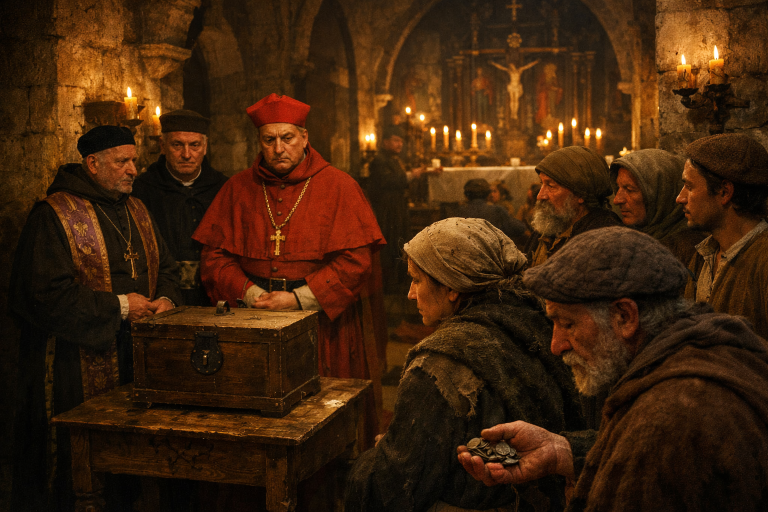
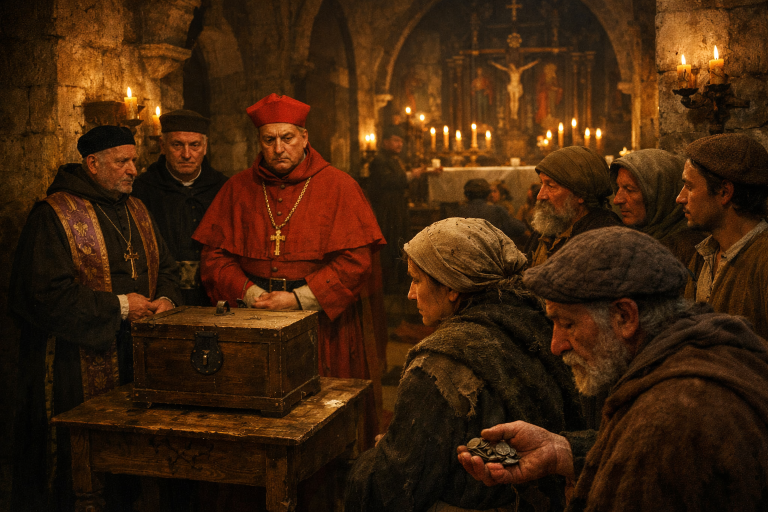
Despite the many faithful clergy and believers present in the Church at the time, the institution itself faced mounting criticism for moral failure and unbiblical practices. The practice of selling indulgences, which promised reduction of punishment in the afterlife in exchange for payment, caused grave concern among theologians and laypeople seeking scriptural truth and genuine repentance. Many clergy lived in luxury while the people endured hardship and sought to understand the scriptures in their own language. Calls for reform were not new, but by the early 1500s, they reached a crescendo, with movements within monastic communities and among the clergy calling for a return to biblical roots and faithful practice. The concern for truth, as emphasized by Christ and the apostles, became the rallying cry for those who would soon initiate sweeping change.
Technological Advancements
No element contributed more to the spread of Reformation ideas than the advent of the printing press. Invented by Johannes Gutenberg in the 1400s, it enabled pamphlets, treatises, and even full Bibles to be produced efficiently and inexpensively. Writings could now reach a broad audience, not just scholars and clergy but laypeople eager for wisdom and scripture. Suddenly, debates about theology, church governance, and personal faith could be followed by believers across Europe. Many historians see the printing press as a providential innovation, one that enabled the rapid growth of the reform movement and ensured that discipleship could extend well beyond the university and the cathedral. Discussion and learning were no longer only for the elite but could now be shared in homes and congregations across many lands. For further reading on how this invention changed the world, please take a look at this article by Encyclopedia Britannica.
Key Figures and Their Roles
Among the most influential voices calling for reform was Martin Luther, a German monk and university professor. When he posted his Ninety-Five Theses in 1517, he intended to initiate scholarly debate about the sale of indulgences and church practices. Instead, his writings inspired countless others and ignited a movement that soon spread throughout Europe. Alongside Luther, thinkers such as John Calvin, who shaped Reformed theology in Geneva, and Huldrych Zwingli, a reformer in Zurich, contributed to a broad and lasting transformation of Christian thought and worship. These leaders, along with many lesser-known but equally faithful figures, desired the renewal of the church and its return to biblical doctrine. Their emphasis on the authority of scripture, the necessity of grace, and the call to personal faith reshaped the life of Christianity for believers then and now.
Impact on European Society
The effects of the Reformation extended far beyond the walls of churches or academic halls. As various Protestant movements took root, distinct Christian denominations formed, each shaped by its understanding of scripture and doctrine. This sometimes led to tension and even conflict, as in the wars that raged across central Europe during this period, such as the Thirty Years’ War. The resulting changes brought greater religious diversity to Europe and reshaped political boundaries and allegiances. Fundamental changes in education, family life, and even daily work followed, as the call for direct engagement with the Bible encouraged literacy and learning among all classes. The legacy of the Reformation can still be seen today in the values that many modern societies place on personal responsibility, freedom of conscience, and the dignity of each individual. For an in-depth perspective on these social shifts, consider this overview by History.com.
Legacy of the Reformation
The continuing impact of the Reformation is found in the ongoing emphasis on individual engagement with scripture and the call to faithful living in all spheres of life. The pursuit of truth, rooted in grace and humility, continues to guide Christian discipleship and education. Pastors, parents, and educators alike still draw wisdom from the principles articulated during this pivotal era. Anniversaries marking the Reformation are observed with respect and reflection in communities around the world, recognizing how those events shaped religious freedom and understanding for centuries to come. The enduring significance of the Reformation encourages each generation to seek wisdom and clarity in scripture, fostering a community grounded in faith and learning.
Conclusion
The Protestant Reformation remains a defining moment in both religious and world history, reshaping the course of Christianity and influencing the development of modern Western society. Emerging from a complex mix of political tensions, social change, and widespread dissatisfaction with corruption in the Catholic Church, it sparked a movement that called for a return to biblical authority and authentic faith. Driven by key reformers such as Martin Luther, John Calvin, and Huldrych Zwingli, the movement spread rapidly, aided by the printing press and growing public access to religious texts. Its effects were profound, leading to new Christian denominations, increased literacy, and shifts in governance, education, and individual freedom of conscience. While it also brought conflict and division, its long-term legacy is one of transformation, encouraging continued reflection on faith, scripture, and the role of religion in society.