Key Takeaways
- Early swim lessons can enhance cognitive development and motor skills in infants and toddlers.
- Starting swim lessons at a young age may reduce the risk of drowning.
- Swimming fosters confidence, social skills, and strengthens the parent-child bond.
Introduction
Introducing swimming to babies and toddlers is more than a fun water activity; it is a foundational experience for a child’s development and safety. Early aquatic exposure supports cognitive development, physical development, and essential life skills that provide lifelong benefits. Enrolling your child in baby swim lessons provides these rewards while making the process enjoyable for both children and parents. Swimming at a young age is not just about mastering strokes. It is about fostering confidence, motor development, and a lifelong love of water. Carefully structured swim lessons introduce babies to a sensory-rich environment, assisting brain development and helping them adjust to social and physical experiences early in life.
Cognitive and Motor Skill Development
Swim lessons stimulate both the brain and the body, providing a unique environment where babies practice moving their arms and legs across the body’s midline. These bilateral movements build communication pathways between the right and left hemispheres of the brain, which promote reading readiness, language abilities, and spatial reasoning. According to a study conducted at Griffith University, Australian children who participated in early swim programs were more advanced in areas such as counting, following instructions, and problem-solving than their peers.
Beyond mental development, swimming helps infants refine their motor skills. The buoyancy and resistance of water allow babies and toddlers to explore movements freely, leading to stronger muscles, better coordination, and increased body confidence. These skills are crucial for walking, jumping, and other physical milestones.
Reducing the Risk of Drowning
Drowning is a leading risk for young children, particularly those aged one to four years old. The American Academy of Pediatrics states that formal swim lessons can reduce the risk of drowning by 88 percent for this age group. While no lesson can replace constant supervision, early swim instruction introduces water safety concepts, teaches children how to respond if they fall in, and supports respectful and cautious attitudes around pools and open water. It is important to remember that vigilance is always required around water, even for children who have already taken swim lessons. Educating children about safe water habits from day one makes a significant difference, strengthening overall awareness among both the child and the caregiver. Additional information on water safety and prevention can be found on the Centers for Disease Control and Prevention website.
Building Confidence and Social Skills
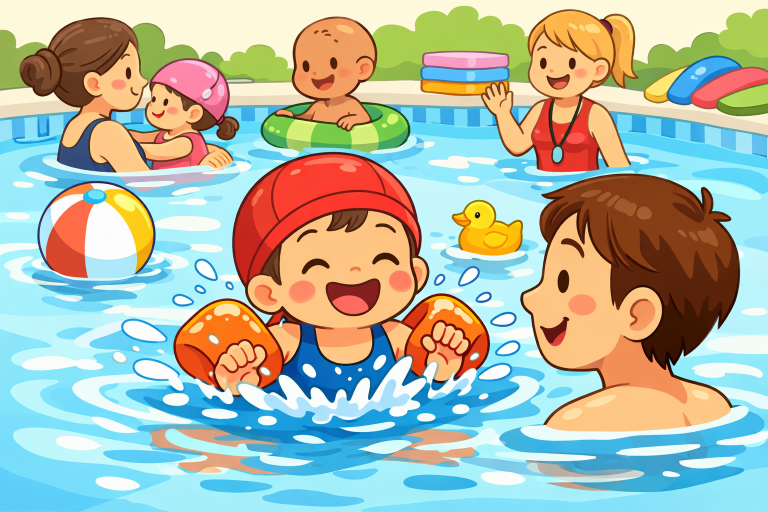
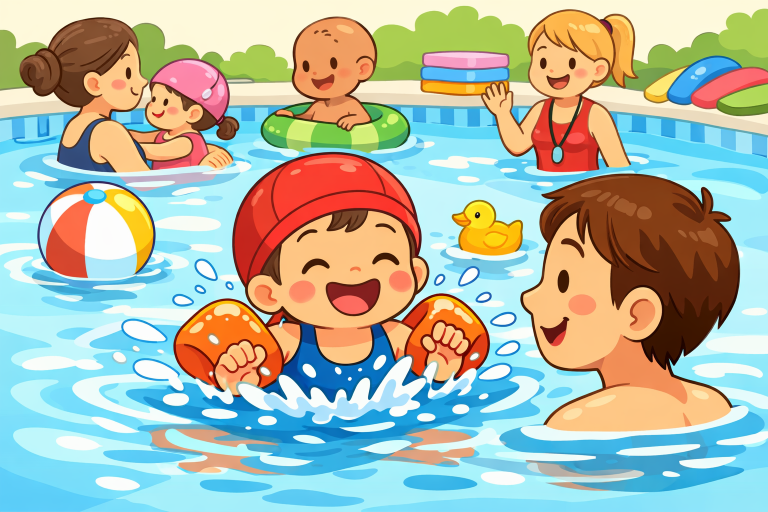
Structured swim lessons for babies and toddlers often use singing, play, and interaction, creating a positive, stimulating environment. These friendly group lessons are designed to build confidence in the water while introducing children to routines and group participation. As babies observe others and mimic actions, they start to develop important social skills, including communication, patience, and cooperation. Children who feel safe and supported in swim classes are more likely to approach new situations confidently. Over time, the sense of accomplishment that comes from mastering new skills in the water carries over into other areas of daily life, promoting independence and emotional resilience. Group activities also help toddlers learn the value of teamwork and respecting boundaries, skills that are integral to social development.
Strengthening Parent-Child Bonds
Participating in swim sessions together offers invaluable one-on-one time for parents and their young children. The experience of learning new movements and enjoying water activities together strengthens trust, comfort, and attachment. Shared successes, like floating, kicking, or simply enjoying water play, give both parent and child a sense of achievement and connection. This connection extends beyond swim class. Parents who are actively involved in swim lessons are better equipped to understand their child’s capabilities and emotional needs, leading to stronger, more responsive relationships both in and out of the pool. Guidance on building healthy parent-child relationships during early development can also be found on HealthyChildren.org.
Physical Health Benefits
Swimming offers one of the best forms of exercise for people of all ages, and its advantages for infants and toddlers are significant. The gentle resistance provided by water helps build muscle strength, improve flexibility, and cultivate cardiovascular health. For young children, this type of exercise supports bone and joint health, boosts endurance, and promotes better coordination.
Engaging in swim lessons may also translate to other health benefits, such as improved sleep and greater appetite, which are essential for a child’s development and daily routine. Best of all, swimming is enjoyable and encourages lifelong active habits from the earliest stages of childhood.
When to Start Swim Lessons
The American Academy of Pediatrics suggests children can begin swim lessons at age one, though individual readiness will vary. Signs of readiness include an interest in water, basic motor control, and the ability to follow simple directions. Parents should consult with their child’s pediatrician to tailor the start of lessons to the child’s developmental stage and temperament. Some babies may thrive in the water sooner than others, so watching for excitement around water activities and responsiveness to guidance can help parents make an informed decision. Early exposure is important, but not every one-year-old will be ready at the same time. Personalized consideration ensures the best outcome for each child.
Choosing the Right Swim Program
Parents should look for certified, experienced instructors who are trained to work with infants and toddlers. A good swim program will emphasize water safety, positive reinforcement, and age-appropriate skills. Warm, clean facilities help create a comfortable atmosphere that makes learning fun and effective. Visiting a class in advance and speaking with instructors can help parents find the best match for their family. It is also vital that swim programs maintain strong safety protocols and encourage parental involvement. A positive and engaging environment supports not only the child but also reassures parents as they participate actively in each lesson.
Conclusion
Early swim lessons offer remarkable benefits for babies and toddlers, impacting cognitive, social, and physical development. By introducing young children to water through professional lessons, parents help build essential life skills, strengthen emotional connections, and support safe water practices. Investing in swimming at an early age sets children up for a healthy, confident, and active future.