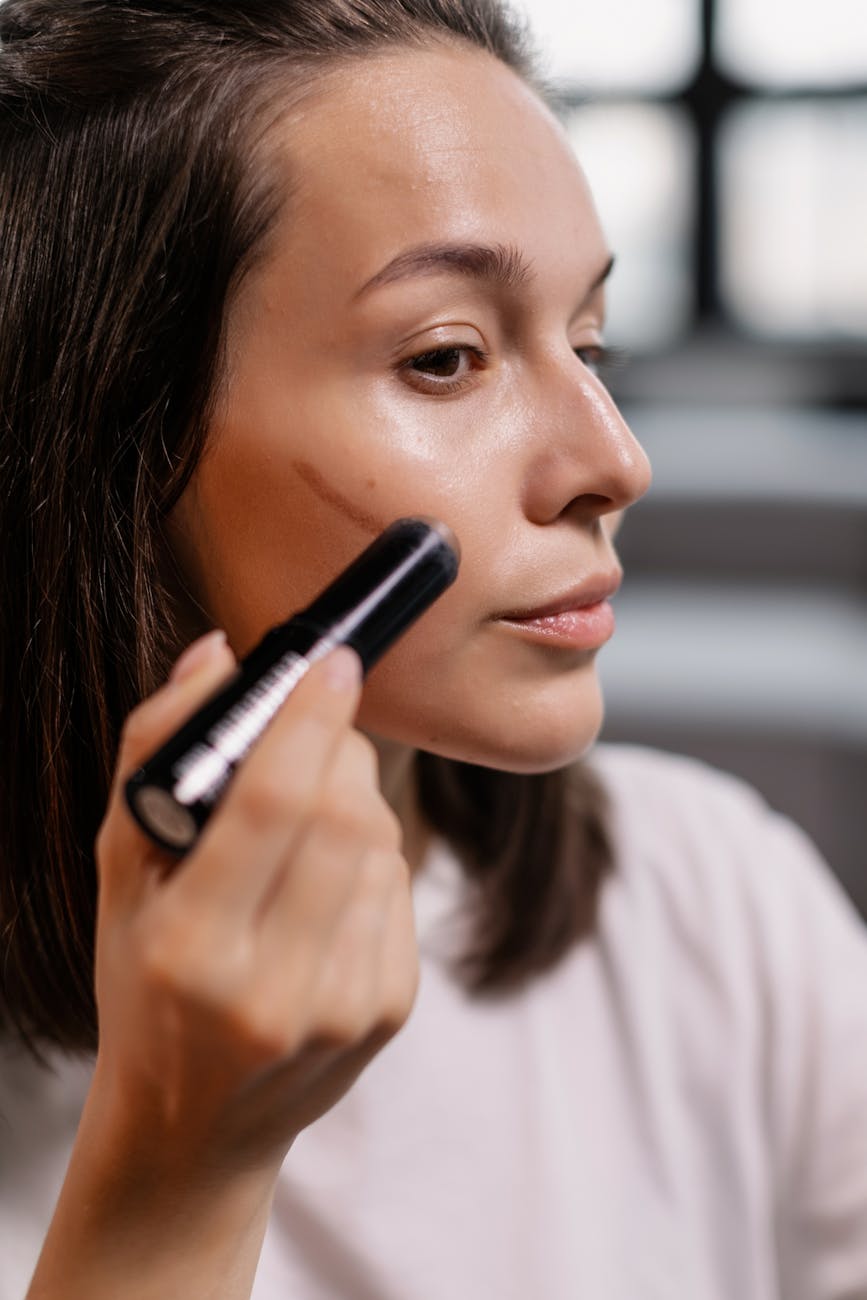
Before facial contouring starts, the face needs to be mapped properly. This is the stage where structure, proportion and movement are assessed to understand how the features relate to each other. Rather than deciding too quickly that a cheek needs more volume or a jawline needs more definition, symmetry mapping looks at the whole face first. That makes the treatment plan more precise and helps avoid changes that look disconnected from the person’s natural facial shape.
Mapping Starts With Full Facial Assessment
Symmetry mapping begins with a close assessment of the face at rest. This usually includes looking at the width of the face, the balance between the upper, middle and lower thirds, and how the cheeks, chin, lips and jawline sit in relation to one another. The practitioner is not looking for perfect sameness on both sides. They are identifying where natural asymmetry exists and where one feature may be affecting the overall balance of the face.
A proper starting point for advanced facial contouring treatment options is a detailed assessment rather than an assumption. What appears to be a concern in one area can often be traced back to structure elsewhere, such as the chin, mid-face or lower face.
Photos and Angles Help Reveal Proportion
A proper symmetry assessment often involves viewing the face from multiple angles rather than relying only on a front-on view. The profile, three-quarter view and side-to-side comparison can reveal differences in projection, contour and alignment that are not obvious straight away. Lighting and shadow also play a role, especially in areas such as the cheeks and jawline, where definition can appear stronger or weaker depending on the angle.
Photographs may also support this process by giving a more objective view of facial proportions. Comparing images from different angles makes it easier to spot subtle differences that may be missed in conversation or casual observation.
Movement Is Part of the Mapping Process
Mapping symmetry does not stop with a still face. The practitioner also needs to observe how the face moves when speaking, smiling or resting naturally. This can show whether one side is more active, whether certain muscles pull more strongly, or whether an imbalance becomes more noticeable through expression.
Movement matters because facial contouring has to work with expression, not against it. A face that appears uneven in a static photo may look balanced in motion, while a subtle structural difference may become more obvious once the face is animated.
Key Landmarks Are Compared Carefully
Another part of symmetry mapping involves comparing specific landmarks across the face. In facial symmetry discussions, this is often related to fluctuating asymmetry, which refers to small left-right differences in facial features rather than perfect sameness. These can include cheek projection, chin position, jawline shape, lip balance and the way the nose sits within the profile.
This stage often changes how the face is understood. What looks like a cheek issue may actually relate to chin support, while what seems like jawline imbalance may be influenced by volume loss through the mid-face.
The Plan Should Follow What the Face Shows
Once the face has been mapped, contouring decisions can be made with more accuracy. The practitioner can determine which areas may benefit from support, which should be left alone and how to preserve natural balance. This makes the result look more considered, because the treatment follows the face instead of forcing it into a generic shape.
Subtle outcomes usually come from restraint as much as action. Not every asymmetry needs correction, and trying to make both sides identical can create a result that feels overdone rather than refined.
Good Contouring Begins With Observation
Mapping symmetry before contouring begins is about reading the face properly before changing it. It involves assessing structure at rest, comparing angles, watching movement and identifying the landmarks that shape overall balance. When this step is done well, contouring becomes more precise and more natural-looking, because it responds to the face that is there rather than to assumptions about what should be changed.