Table of Contents
- What Is No-Fault Car Insurance?
- Understanding Pennsylvania’s Choice No-Fault Law
- First Party Benefits and Personal Injury Protection (PIP)
- Limited Tort vs. Full Tort Coverage
- When Can You Sue the At-Fault Driver?
- Steps to Take After a Car Accident in Pennsylvania
- Key Takeaways
- Resources and Further Reading
Car accidents can quickly turn from a minor inconvenience to a major headache, especially when you are not sure how insurance works in your state. Pennsylvania’s no-fault car insurance laws are unique and can be confusing if you have never been through the claims process before. Understanding how these laws impact your ability to get compensation for injuries and damages can make a big difference after an accident. For those navigating an auto collision in the City of Brotherly Love, consulting car accident attorneys in Philadelphia can ensure you protect your rights and maximize your insurance benefits.
This guide explains Pennsylvania’s no-fault system, what it means for drivers, and what to do after a crash. Whether you are a long-time resident or new to the area, knowing the basics will help you handle insurance claims more confidently and avoid costly mistakes.
Pennsylvania is a “choice no-fault” state, which gives drivers unique options in the type of car insurance they purchase. This choice impacts everything from how your medical bills are paid to whether you can sue another driver for injuries. Understanding your car insurance can spare you financial stress and help you recover more quickly after an accident.
Read on to learn about Pennsylvania’s no-fault insurance laws, your coverage options, and the steps you should take immediately following an accident.
What Is No-Fault Car Insurance?
No-fault car insurance is designed so that each driver’s own insurance covers their medical expenses and financial losses after an accident, regardless of who caused the crash. In no-fault states such as Pennsylvania, drivers file claims with their own insurance company first for injuries, instead of pursuing the driver who may have caused the collision.
This system is intended to streamline the claims process and reduce the number of minor lawsuits related to traffic collisions. However, it can also limit your ability to seek further compensation, depending on the type of coverage you choose. According to Kiplinger, no-fault insurance does not cover property damage, so you may still need to work with the other party’s insurer for things like vehicle repairs.
Understanding Pennsylvania’s Choice No-Fault Law
Pennsylvania’s “choice no-fault” system is not strictly traditional no-fault. Instead, Pennsylvania drivers must choose between two types of insurance coverage when buying or renewing their policies: limited tort and full tort. This decision has a major impact on your legal options if you are injured in a crash.
– Limited tort coverage: You are restricted from suing the at-fault driver for pain and suffering, unless your injuries are considered “serious” under the law. You can still recover medical expenses and lost wages through your insurance.
– Full tort coverage: Gives you the unrestricted right to sue negligent drivers for all damages, including pain and suffering, regardless of how severe your injuries are.
Many drivers choose limited tort to save on premiums. However, you may give up considerable rights in exchange for those upfront savings.
First Party Benefits and Personal Injury Protection (PIP)
In Pennsylvania, “first party benefits” are a key part of your car insurance policy. These benefits, sometimes called Personal Injury Protection (PIP), cover a range of costs up to your policy limits, including medical bills for you and your passengers, lost wages, and funeral expenses. The state minimum for medical benefits is $5,000, but drivers may purchase higher limits for more protection.
Regardless of who is at fault, your car insurance will pay for your covered medical expenses up to your policy limit. This means you can get care right away, without waiting for lawsuits or settlements.
Limited Tort vs. Full Tort Coverage
The limited tort versus full tort option is unique to Pennsylvania and a few other states. Full tort coverage costs more but gives you broader rights. Limited tort is cheaper but restricts your ability to sue for non-economic damages, like pain and suffering, unless you meet certain exceptions, such as suffering a “serious injury,” being hit by an out-of-state driver, or being struck while a pedestrian or cyclist.
Review your current policy to see which option you have. If you value the right to sue for all damages after a crash, consider upgrading to full tort coverage.
When Can You Sue the At-Fault Driver?
If you have full tort coverage, you can pursue a lawsuit for both economic and non-economic damages regardless of the severity of your injuries. However, with limited tort, you can usually only sue for medical costs and lost wages, unless you suffer a serious injury as defined by Pennsylvania law. Examples of serious injuries include significant or permanent impairment of a body function, disfigurement, or death.
Consulting with a local attorney is wise if you are unsure whether your injuries qualify as “serious.” The process for determining this can be subjective, and each case is evaluated individually.
Steps to Take After a Car Accident in Pennsylvania
1. Ensure Safety and Call 911
Your first priority should be your safety and the safety of others. Move to a safe location if possible and call 911 to report the accident and summon emergency assistance if needed.
2. Document the Accident Scene
Take photos of vehicle damage, skid marks, license plates, and the surroundings. Get the contact details of any witnesses who saw what happened.
3. Exchange Information
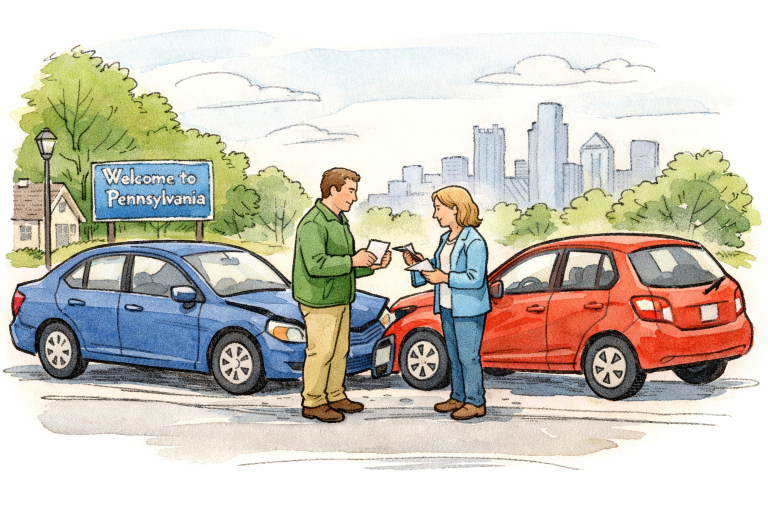
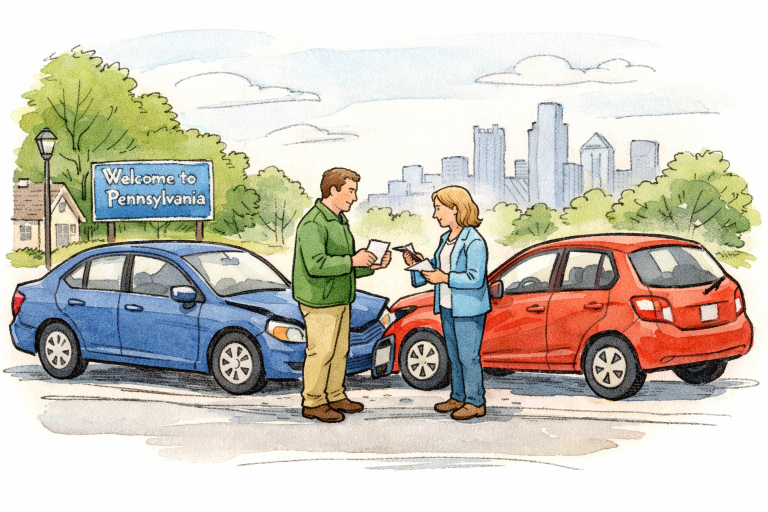
Share your name, contact information, insurance details, and vehicle registration with other involved drivers. Gather their information as well.
4. Seek Medical Attention
Some injuries are not immediately obvious. Getting a medical evaluation as soon as possible is important for your health and for documenting your case in the event you need to file a claim or pursue legal action.
5. Notify Your Insurance Company
Report the accident to your insurer without delay. Provide complete and accurate information and follow up on the progress of your claim.
Key Takeaways
- Pennsylvania’s no-fault car insurance system means your insurance pays for your medical care after an accident regardless of fault.
- Drivers can choose between limited tort (lower premium, restricted lawsuits) or full tort (higher premium, full legal rights).
- After an accident, always seek medical help and notify your insurance company promptly.
- Consider speaking with a legal professional to ensure you receive the compensation you deserve, especially if your injuries are severe.