Key Takeaways
- Sort before hauling so reusable, recyclable, hazardous, and disposable items do not get mixed.
- Create separate keep, donate, recycle, and disposal areas before opening every closet and cabinet.
- Set aside paint, chemicals, batteries, medicines, and electronics for appropriate handling.
- Measure waste volume and consider weight, especially for dense remodeling materials.
- Keep driveways, walkways, and work areas clear to prevent injuries and property damage.
A home cleanout in Charlotte can quickly grow from a few unwanted boxes into a mixed load of furniture, cardboard, electronics, paint, appliances, and renovation debris. Before scheduling removal, homeowners should sort first and estimate what remains. If you are deciding how much capacity may fit your project, what size dumpsters do you offer? can help frame the difference between a smaller room cleanup and a whole-home project.
Whether you are moving from a bungalow in Plaza Midwood, preparing a home in Ballantyne for sale, or clearing an inherited property near Lake Norman, a lower-waste plan makes the work safer and more manageable. Charlotte’s humid weather and frequent summer storms also make it important to protect donations, paper goods, and boxed electronics from rain during the cleanout.
Why a Charlotte Cleanout Needs More Than a Trash Pile
Large cleanouts rarely produce only ordinary household trash. A garage might contain tools, old motor oil, paint, and garden supplies. A kitchen may hold small appliances, cardboard, glass, and expired products. Bedrooms often produce usable clothing, books, bedding, and furniture. Treating everything as one pile can send useful goods to disposal and create problems when restricted materials are mixed into the load.
Charlotte residents also have several possible destinations for different materials, so the best approach is to decide where each category belongs before lifting the first bag. Reuse and donation can reduce the final disposal volume, while separate recycling piles can keep clean materials from being contaminated by food waste, wet debris, or broken glass.
Start With a Simple Four-Pile System
For a quick overview of how common household materials can be separated, use this dumpstor recycling guide as a planning reference before the work begins. Then set up four clearly marked areas with large boxes, tape, bins, or even separate rooms.
- Keep: Items that will remain in the home or that you will move with you.
- Donate or sell: Clean, safe, complete items that still serve a purpose.
- Recycle: Materials accepted through curbside or specialty recycling programs.
- Dispose: Broken, contaminated, or unusable items with no practical next use.
Keep the piles away from exits, stairs, electrical panels, and HVAC equipment. In Charlotte’s older homes, narrow hallways and staircases can become crowded fast, so maintain a clear path from each room to the driveway or loading area.
Sort Room by Room Instead of Emptying the Whole House
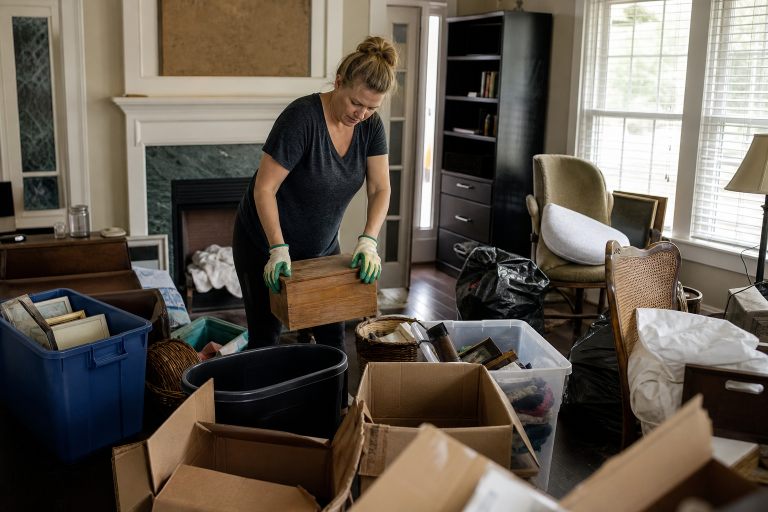
Working room by room reduces stress and prevents the common mistake of creating one huge, unsorted pile in the yard or garage. Begin with an easier space, such as a hall closet, guest room, or laundry area. Finish that section before opening the next one, then move on to more complicated spaces like attics, sheds, basements, and garages.
- Keep donation items dry, clean, and protected from rain.
- Flatten cardboard immediately to save floor space.
- Place heavy items in smaller boxes and fragile items in sturdy containers.
- Set personal records, tax documents, photographs, and valuables aside before sorting anything else.
- Use a separate bag for loose hardware, cords, remotes, and small appliance parts.
Choose Donation and Reuse Before Disposal
Clean furniture, working appliances, tools, kitchenware, books, toys, clothing, and usable building materials may be worth considering as alternatives before disposal. A practical test is simple: if an item is clean, safe, complete, and useful without a major repair, it may be a candidate for donation, resale, or a neighbor who can use it.
Check an organization’s acceptance rules before loading a vehicle. Many donation programs limit mattresses, large entertainment centers, damaged upholstery, recalled items, or appliances that do not work. If you are selling items, photograph and list higher-value pieces early, so they have time to leave before the final removal day.
Separate Recycling and Specialty Materials
Recycling rules depend on the material and the type of collection location. Cardboard, paper, bottles, cans, plastic film, books, textiles, metal, electronics, and clean wood may require separate handling. Do not assume a curbside cart accepts everything that a larger drop-off location does.
Charlotte-area residents who haul materials themselves can review accepted items at Mecklenburg County recycling and disposal centers before making the trip. Full-service facilities may take bulky furniture, electronics, household hazardous waste, yard waste, and other materials, but mixed loads can create delays or higher disposal charges. Separate yard debris, construction debris, and bulky waste before arriving.
Set Aside Hazardous Household Materials
Never add paint, paint thinner, gasoline, pool chemicals, pesticides, fertilizers, fluorescent bulbs, rechargeable batteries, motor oil, antifreeze, medicines, or leaking containers to an ordinary trash pile. Keep products in their original labeled containers whenever possible, do not mix unknown liquids, and place them upright in a sturdy box for transport.
The City of Charlotte’s household hazardous waste guidance identifies common household products that need special care and explains why pouring chemicals into drains, storm sewers, or toilets is unsafe. Keep these materials away from heat, children, pets, and the general cleanout area until they can be delivered appropriately.
Estimate Waste Volume, Weight, and Placement Needs
A small cleanout may involve one room, a closet, or a few pieces of furniture. A medium project may cover several rooms, a garage, or a basement. A large cleanout can include most of a home, an estate, or a major renovation. Volume matters, but weight can matter just as much. Brick, concrete, dirt, tile, shingles, and wet lumber can become heavy long before they fill a container.
Before arranging removal, ask about the included weight, rental length, restricted materials, access requirements, and any additional charges for items such as tires, mattresses, or appliances. Choose a level, hard-surface placement area that is clear of parked vehicles, low tree limbs, gates, and overhead wires. If the container must sit in a street or public right-of-way, confirm Charlotte and neighborhood requirements before delivery day.
Protect the Home and Build a Practical Schedule
Use gloves, closed-toe shoes, and eye protection. Put runners or scrap cardboard over finished floors, cover sharp furniture edges, and get help with awkward loads. Do not carry heavy objects down unsafe stairs, and keep children and pets outside the work zone.
A Simple Three-Day Cleanout Plan
- Day one: Gather supplies, set up sorting zones, secure personal documents, and clear easy clutter.
- Day two: Sort larger furniture, appliances, garage items, and boxed storage.
- Day three: Deliver donations, handle specialty recycling and hazardous materials, then load the remaining disposal items.
Final Charlotte Cleanout Checklist
- Walk through every room, closet, attic, shed, and garage.
- Separate reusable goods, recyclables, hazardous materials, and disposal debris.
- Flatten cardboard and bundle long materials where appropriate.
- Measure remaining waste and confirm access for pickup or delivery.
- Keep loads below container rims and leave driveways clear.
- Finish with a final sweep for nails, loose debris, and overlooked small items.
A lower-waste home cleanout starts with a sorting plan, not a trash pile. By working steadily through each room and giving every material the right destination, Charlotte homeowners can reduce unnecessary disposal, protect their property, and make a demanding project far easier to complete.