Key Takeaways
- Choosing the correct AC unit size is vital for efficiency and comfort.
- Energy-efficient models and good placement reduce long-term energy costs.
- Properly sealed and insulated homes enhance system performance.
- Routine maintenance extends the life of your air conditioning investment.
Table of Contents
- Choose the Right Size Unit
- Opt for Energy-Efficient Models
- Proper Placement of Indoor and Outdoor Units
- Ensure Proper Insulation and Sealing
- Install a Programmable Thermostat
- Regular Maintenance and Filter Replacement
- Consider Ductwork Design and Sealing
- Utilize Ceiling Fans to Assist Cooling
Efficient home air conditioning starts with smart installation decisions. Selecting an energy-wise system and ensuring it fits your home’s unique needs can make the difference between years of reliable comfort and a series of costly repairs. With recent advancements in HVAC technology and greater accessibility, homeowners are increasingly considering DIY mini split systems to take control of installation, reduce costs, and maximize energy efficiency. These systems are designed for simplified setup, making them an attractive option for those looking to upgrade without the added cost of traditional installation.
Good installation involves more than just choosing an air conditioner. Key factors such as proper placement of indoor and outdoor units, effective insulation, and even the strategic use of ceiling fans can all impact the overall efficiency and effectiveness of your cooling system. Understanding your home’s specific cooling needs and upgrading with innovative solutions will help you maintain a cool, comfortable environment while keeping your energy bills in check during the warmer months.
Choose the Right Size Unit
Ensuring your air conditioning unit is the optimal size for your space is vital for climate control and energy efficiency. An oversized unit causes rapid cycling, increasing energy costs and system wear, reducing lifespan. An undersized system struggles to meet demand, running long but failing to cool effectively, especially in summer. To avoid these issues, consult an HVAC professional for a load calculation based on your home’s size, insulation, ceiling height, windows, and climate. This helps match the unit’s capacity to your needs, ensuring efficient operation, faster temperature achievement, and consistent comfort.
Opt for Energy-Efficient Models
Modern AC systems are significantly more energy efficient thanks to technological advances and stricter regulations. When selecting a new air conditioner, pay particular attention to models that boast high Seasonal Energy Efficiency Ratio (SEER) ratings. A unit with a higher SEER not only cools more effectively, it also saves you substantial money in the long run by reducing your monthly utility bills.
Choose units that have earned the Energy Star certification, which signifies adherence to strict standards for energy efficiency, environmental protection, and long-term cost savings. These models are independently tested to reduce greenhouse gas emissions and typically include advanced features such as variable-speed motors, improved heat exchangers, and eco-friendly refrigerants. Energy efficiency is not only about savings—it’s also about reducing your home’s carbon footprint and promoting a sustainable future. For more details on choosing an efficient system that meets your needs, explore the resources at energy.gov’s central air conditioning guide.
Proper Placement of Indoor and Outdoor Units
The placement of your AC system’s indoor and outdoor components is crucial for maximizing performance. For indoor units, avoid installing them in areas exposed to direct sunlight or near sources of heat, such as kitchens, ovens, or major electronics. Heat exposure can confuse the thermostat, causing the unit to overcompensate and use more energy than necessary. Optimal placement in a central, cool, and shaded area will help ensure even cooling throughout the living space.
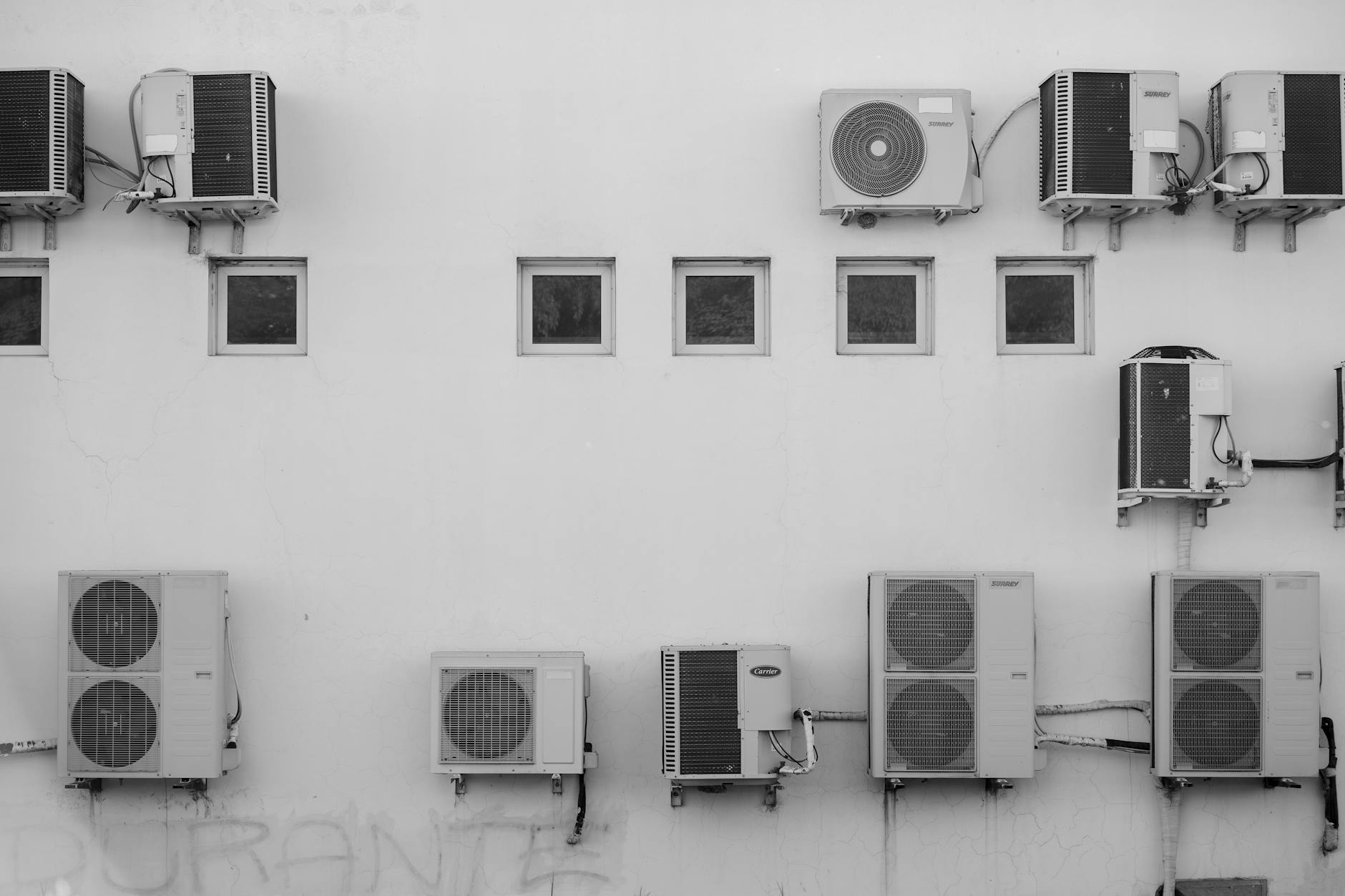
The outdoor condenser should be installed in a shaded, open area away from walls, fences, or landscaping that might impede airflow. Proper ventilation prevents the compressor from overheating, keeps the system running efficiently, and protects the outdoor unit from dust, debris, and physical damage. If the outdoor unit is located in direct sunlight or a confined space, its cooling efficiency can decrease by up to 10%.
Ensure Proper Insulation and Sealing
A well-insulated, sealed home boosts AC efficiency. Attic, wall, and duct insulation prevent cool air loss and block hot outdoor air. Sealing gaps around windows, doors, and vents with weatherstripping or caulk reduces energy loss. Upgrading insulation or sealing leaks is a quick, cost-effective way to lower cooling needs, reduce bills, and improve indoor comfort and humidity. These fixes can often be done in a weekend and enhance home comfort.
Install a Programmable Thermostat
Programmable thermostats, and especially smart thermostats, have revolutionized how homeowners manage comfort and efficiency. These devices let you schedule temperature adjustments based on your daily routines, automatically raising the temperature while you’re away and lowering it before you return home. This reduces unnecessary cooling and prevents energy waste without sacrificing comfort.
Smart thermostats go a step further, offering remote control via smartphone apps, integration with home automation systems, and adaptive learning that automatically optimizes settings based on your habits. By automating these temperature changes with technology, you can achieve greater comfort, enjoy consistent savings, and even track energy usage patterns to identify opportunities for improvement. Such small investments can quickly pay for themselves through reduced utility costs while offering unmatched convenience and control.
Regular Maintenance and Filter Replacement
Regular maintenance is essential to keep your air conditioning system running smoothly and efficiently. The most basic form of maintenance, cleaning or replacing filters, ensures uninhibited airflow and improves indoor air quality by removing dust, allergens, and debris from circulation. Clogged filters force your AC to work harder, use more energy, and can eventually lead to system malfunctions.
In addition to filter changes, it’s important to schedule yearly inspections by a qualified HVAC technician. During these checkups, the technician can clean coils, check refrigerant levels, inspect electrical connections, and test the operation of moving parts. Attention to maintenance helps spot issues long before they require costly repairs, significantly extending the life of your cooling system while safeguarding efficiency and system performance.
Consider Ductwork Design and Sealing
Your air conditioning system is only as efficient as the ductwork distributing cool air throughout your home. Poorly designed or leaky ducts are a leading source of energy loss, sometimes accounting for 20–30% of a cooling system’s energy consumption. If ducts have holes, cracks, or poorly sealed joints and seams, the conditioned air intended for living spaces may escape into attics or crawlspaces, forcing the AC to work harder and increasing your energy bill.
Inspecting, repairing, and sealing ductwork ensures even distribution of cooled air, improves overall comfort, and reduces energy waste. Focus on exposed ducts in attics, basements, and crawlspaces, sealing any leaks with mastic or foil-backed tape, and consider professional duct cleaning and balancing for older systems. When building new or renovating, prioritize smart duct design with minimal bends and proper insulation to optimize airflow and uphold the desired temperature in every room.
Utilize Ceiling Fans to Assist Cooling
Ceiling fans improve home cooling by circulating air, creating a wind-chill effect that makes people feel cooler, allowing higher thermostat settings and saving energy—up to 3–5% per degree. Fans cool people, not rooms, so use them in occupied spaces and turn off when empty. In summer, set fans to rotate clockwise to push cool air down, enhancing air conditioning efficiency and maintaining consistent temperatures. Maximizing AC efficiency involves proper installation, quality insulation, sealing leaks, programmable thermostats, and regular maintenance. DIY mini-split systems offer greater control and savings, boosting home value, comfort, and environmental benefits.
Conclusion
Optimizing your home’s air conditioning system requires a combination of thoughtful equipment choices, smart placement, proper insulation, and regular maintenance. From selecting the right-sized, energy-efficient unit to ensuring well-sealed ducts, installing programmable thermostats, and using ceiling fans strategically, each step contributes to greater comfort, reduced energy costs, and longer system lifespan. Regular maintenance and mindful operation not only protect your investment but also enhance indoor air quality and sustainability. By integrating these strategies, homeowners can enjoy reliable, efficient cooling while minimizing environmental impact and maximizing long-term savings.