
When a tenant moves out, cleaning costs are almost inevitable, but deciding who should pay for them isn’t always straightforward. You’ve likely faced this question before: should those costs come out of the security deposit, or are they simply part of doing business? The answer isn’t as black and white as it seems.
While security deposits are designed to cover damages and excessive cleaning, they’re not meant to fund routine turnover between tenants. That grey area is where most disputes and costly mistakes happen. If you get this wrong, you risk unhappy tenants, legal friction, or quietly eating into your margins. And if you get it right, you get to protect your property, cash flow, and reputation. Read along as this post discusses whether cleaning fees should be deducted from the security deposit.
Common Cleaning Disputes and How to Resolve Them
Disputes will inevitably happen, regardless of whether you follow all relevant laws and do everything the right way. For example, a tenant who insists that they left the property in excellent condition may push back when you charge a cleaning fee at the end of the lease. Therefore, if you’re not prepared, that argument could end up costing you more than the cost of cleaning.
The most common point of contention is “normal wear and tear.” Tenants rely heavily on this phrase, and sometimes they have a valid point. For example, a little dust, some minor scuff marks on walls, or an aged carpet would not be grounds for a deduction from their security deposit. You’ll win on grease-caked stovetops, mold left untreated, or a bathroom that clearly hadn’t seen a scrub brush in months. Partnering with a local Anne Arundel County property manager can provide the market expertise to help you set realistic cleaning expectations.
The answer to this problem is your moving-in inspection report. If you took photos of the unit’s condition and had the tenant sign off on it, then you will have evidence that is very difficult to refute. If you don’t have any documentation, that is where most landlords fail, not in court, but before it ever gets there.
When a tenant disputes a charge, address promptly and professionally with an itemized breakdown of costs or copies of contractors’ invoices. Chances are, most issues can be settled because you present your argument in an organized, credible way. If the dispute escalates to small claims court, then this same documentation will be your best evidence. Courts rule based on facts, not feelings.
When Can Cleaning Fees Be Justifiably Deducted?
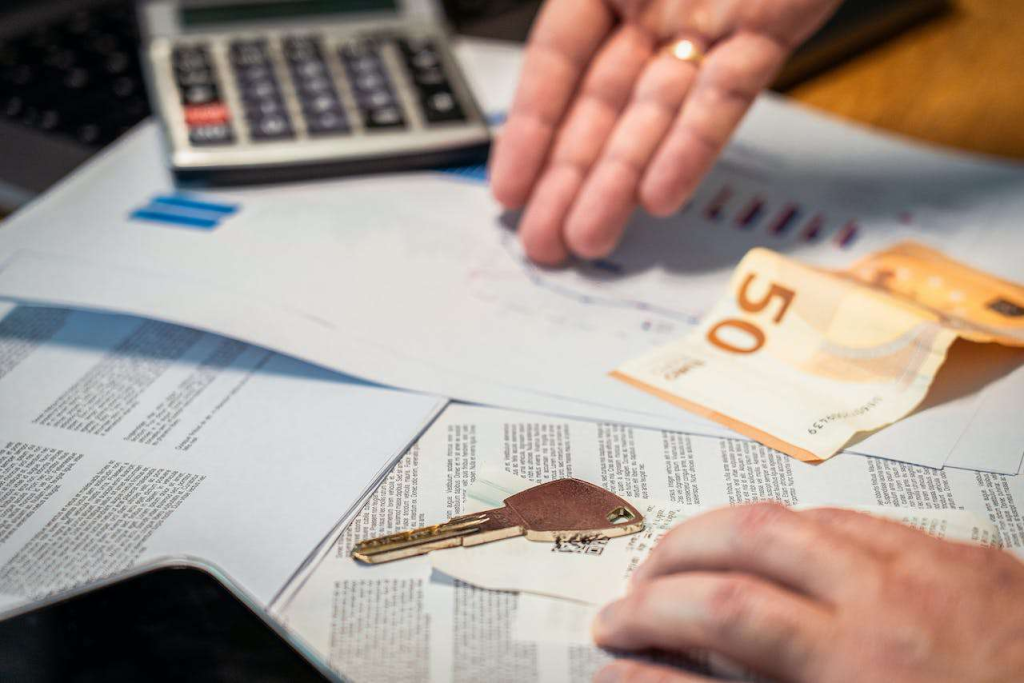
Stated Cleaning Expectations in the Lease Agreement
Your lease offers more than just a means to document how much rent you owe and when you need to vacate your property. It will also serve as a defense against any cleaning disputes that may arise when a tenant moves out.
If your lease provides clear definitions of what “clean” is when moving out of the rental property, you will be in a better position to defend against any deductions made for cleaning from their deposit. Be specific regarding the requirements. You should state things such as “carpets must be professionally cleaned” or “all appliances must be wiped down.” The more specific you are in your requirements, the less wiggle room a tenant has when claiming they did not understand what was expected of them.
Some landlords take this one step further by attaching a move-out cleaning checklist right to the lease. This is a great idea because when a tenant signs the checklist, they acknowledge what is required of them, and that signature will carry weight if there is any question later.
The one caveat to this is that even with the most airtight lease language, if you are trying to deduct for cleaning that is considered normal wear and tear on the premises, you will not be able to. Your lease sets the baseline for your expectations, but it will not supersede your state’s laws regarding security deposits. Therefore, view your lease as a means of support for the law, and not as a means of avoiding the law.
Professional Cleaning is Required to Restore The Condition
A mop and spray cleaner may not be enough sometimes. If you find that the tenant left the unit in need of professional cleaning to return it to rental condition, that can be a legitimate deduction, and you will likely be backed by state law. However, you should think critically about what that looks like in real life. For example, a carpet saturated with pet urine requires industrial extraction to clean it properly. A stove that has accumulated grease to the point where it is a fire hazard needs special cleaning supplies. Walls that have been smoked on from floor to ceiling require more than just a quick clean. These examples demonstrate that you need time, equipment, and money when dealing with situations like these.
The keyword here is required. You should not charge a tenant for professional cleaning simply because it is your preference or part of your turnover routine. The condition the tenant left the unit in must be in genuine need of professional cleaning. If the unit is reasonably clean or you are hiring a professional cleaner just because that is how you have always done business, those charges may not hold up if challenged. To protect yourself, keep good documentation of everything. Take before pictures of the unit, as well as an itemized receipt from the company that did the professional cleaning, and keep these things for your records.
Conclusion
Security deposits are not free money. However, they are not untouchable if a tenant leaves your property damaged. Determining whether a security deposit can be deducted for damages comes down to having documentation, a clear lease, and proof of damage.
If you have those three items, then move-outs will be much less stressful and have far fewer disagreements. However, not having them end up with you paying for things that you shouldn’t have to, or fighting battles that you could have avoided. Ultimately, proper deduction of cleaning fee from a security deposit will protect your property, your cash flow, and your time.