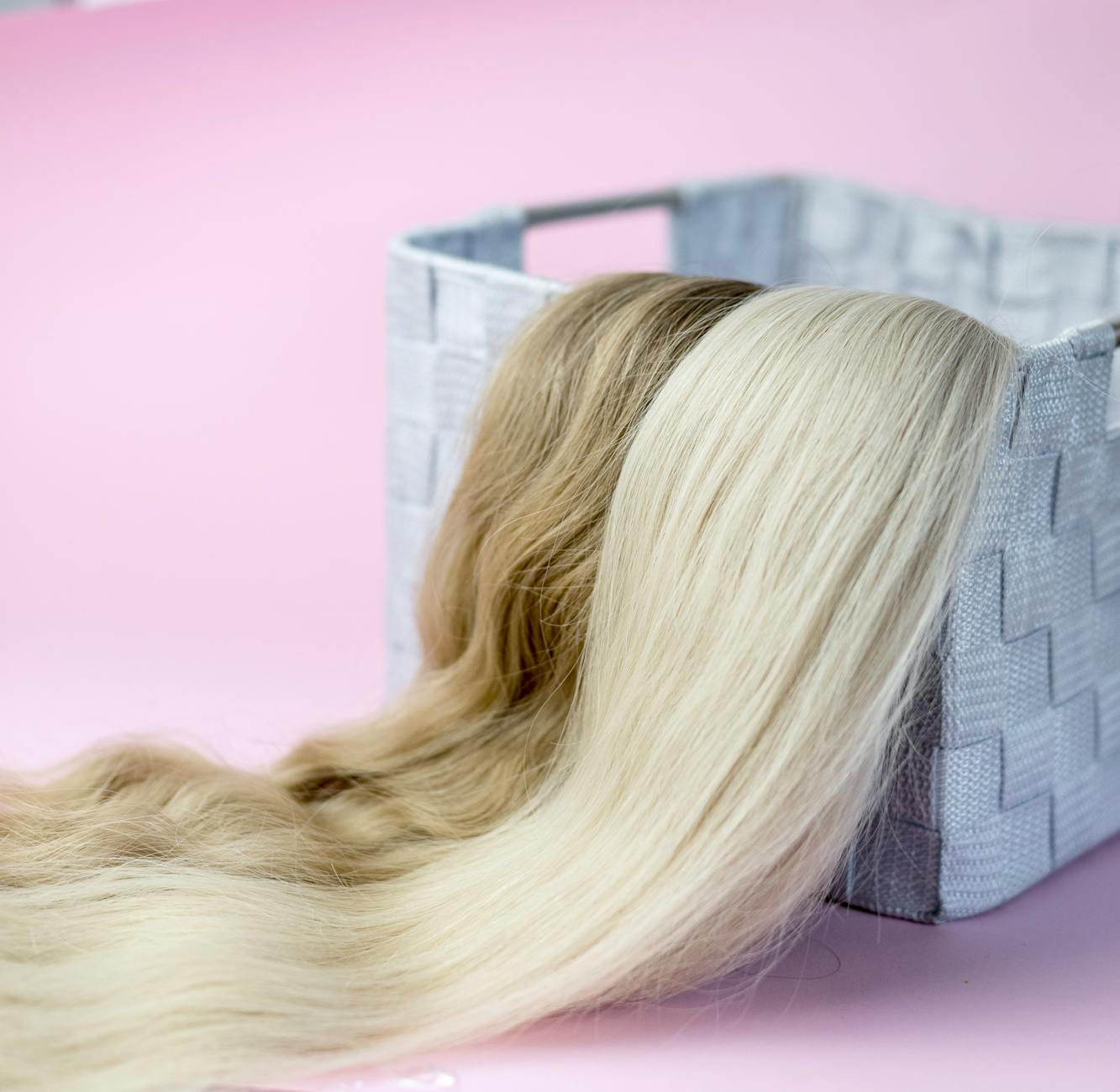
Hair extensions can transform your look, but only if you pick the right ones. The wrong choice can lead to damage, poor blending, or a result that looks fake. Many people waste money on extensions that don’t match their natural hair.
The key to success is to match your extensions to your specific hair type and texture, which ensures they blend naturally and last longer. Your natural hair texture plays a major role in how well extensions will work for you. Straight hair needs different extensions than curly or wavy hair does.
This guide will help you understand your hair type and how to select extensions that work with it. You’ll learn about different extension methods and which ones suit your lifestyle best. By the end, you’ll know exactly what to look for to get beautiful, natural results.
Understanding Hair Types and Textures
Your natural hair type and texture determine which extensions will blend seamlessly and look most natural. These factors affect how extensions hold, move, and interact with your existing hair.
Identifying Your Natural Hair Type
You need to assess your hair in both wet and dry states to understand your true texture. Hair often appears different once it dries, so examine your natural pattern without heat styling or products.
Hair types fall into four main categories:
- Type 1 (Straight): No visible curl pattern, lays flat against the scalp
- Type 2 (Wavy): Forms an S-shape with loose waves
- Type 3 (Curly): Defined spiral curls with bounce
- Type 4 (Coily): Tight zigzag patterns with significant shrinkage
Each type has subcategories (A, B, C) that indicate the tightness of the pattern. For example, Type 2A shows slight bends while Type 2C displays more pronounced waves. You should also consider your hair density (how many strands you have) and strand thickness (fine, medium, or coarse).
Look at a single strand to determine thickness. Fine hair appears delicate and almost invisible against a white background. Coarse hair feels textured between your fingers and appears thick.
Texture Considerations for Extensions
Your extension texture must match your natural hair to create a believable blend. Your extension texture must match your natural hair to create a believable blend. A mismatch in wave pattern or strand thickness will be obvious, especially where your real hair meets the extension. This applies to every method, from tape-ins and sew-ins to halo hair extensions, which sit on a wire and need to fall in line with your natural movement. Choosing the same curl type and density as your own hair makes the transition between the two nearly invisible.
For straight hair, select extensions labeled as straight or light yaki. Wavy hair pairs best with body wave or loose wave textures. Those with curly hair should match their specific curl pattern, whether loose curls or tight spirals. Coily textures require kinky or afro-textured extensions.
Consider how you style your hair daily. If you frequently straighten naturally curly hair, you might prefer a straighter extension texture for easier maintenance. However, if you wear your natural texture most days, match that pattern exactly.
Test your hair’s moisture absorption. Porous hair accepts moisture quickly and may require extensions with similar characteristics. Low porosity hair repels moisture, so denser extension fibers work better. The wrong texture combination creates obvious lines of demarcation and makes styling difficult.
Selecting the Best Hair Extensions for Your Needs
Finding the right hair extensions requires you to consider your natural hair characteristics, select an attachment method that works with your lifestyle, and understand how to achieve a seamless blend.
Matching Extensions to Your Hair Type
Your natural hair texture determines which extensions will look most realistic. Fine hair needs lightweight extensions that won’t cause breakage or create visible attachment points. Tape-in or halo extensions work well for this hair type because they distribute weight evenly.
Thick hair can support heavier extension types without strain. You have more options available, from clip-ins to sew-in methods. The key is to match the density of the extensions to your natural hair volume.
Curly hair presents unique challenges. You need extensions with a similar curl pattern to avoid obvious differences in texture. Human hair extensions allow you to style them with heat tools to match your natural curl pattern. Textured hair types benefit most from extensions specifically designed for curly or coily textures.
Straight hair offers the most flexibility. However, you still need to consider your hair’s thickness and whether it’s fine, medium, or coarse. The extensions should have a similar diameter to your natural strands.
Choosing the Appropriate Extension Method
Clip-in extensions provide temporary length and volume. You can install them yourself in minutes and remove them before bed. This method suits people who want flexibility or only need extensions for special occasions.
Tape-in extensions last six to eight weeks. A professional attaches thin wefts to small sections of your hair with adhesive tape. They lie flat against your head and work well for fine to medium hair types.
Sew-in extensions require your natural hair to be braided into cornrows first. The wefts get sewn onto these braids and can last two to three months. This method works best if you have thick or textured hair.
Fusion extensions use keratin bonds to attach individual strands to your hair. They last three to five months and create the most natural look. However, they take several hours to apply and require professional installation.
Blending Extensions for a Natural Look
Color matching makes the biggest difference in how natural your extensions appear. You should match both the base color and any highlights or lowlights in your natural hair. Indoor and outdoor lighting can change how colors look, so check the match in multiple settings.
The texture must align with your natural hair pattern. If you have wavy hair, straight extensions will stand out immediately. You can style human hair extensions to match your texture, but this requires daily effort.
Trim the extensions to blend with your natural layers. Blunt cuts create obvious lines between your real hair and the extensions. A stylist can cut the extensions while you wear them to create a seamless transition.
The placement of extensions affects how natural they look. Leave out enough of your natural hair around your hairline and temples to cover the attachment points. These areas frame your face and draw the most attention.
Conclusion
The right hair extensions can transform your look if you match them to your natural hair type and texture. You need to think about your hair’s thickness, curl pattern, and daily routine before you pick an extension method.
Different attachment styles work better for different hair types. For example, fine hair does better with lighter options like tape-ins, while thick hair can handle heavier methods like sew-ins.
The texture of your extensions must blend with your natural hair to look real. You should also factor in how much time you can spend on maintenance and styling. With the right information, you can find extensions that look natural and feel comfortable for your lifestyle.
Related Posts
 Eco-Conscious Living: Sustainable Solutions for Waste Management
 Home Health Check: Essential Steps to Ensure a Safe and Hygienic Living Space
 How You Can Help Your Teen Deal With Stress And Applications For Nancy Etz Scholarships
 How to Get Nail Polish Out of a Carpet
 Casdon Deluxe Henry Hoover Cleaning Trolley | Review
 Meal Planning Monday 17/2/20