Key Takeaways
- Accessible showers promote safety, independence, and comfort for all users.
- Critical features include curbless entries, non-slip surfaces, and flexible fixtures.
- Proactive planning saves money and adds long-term value to your home.
Bathrooms are essential spaces in any home, serving not just for routine hygiene but also for preserving dignity and independence. Achieving these goals for people of all ages and mobility levels starts with thoughtful planning and design. An accessible shower is a crucial feature in creating a safe, user-friendly environment that helps people maintain their autonomy. From seniors who wish to age in place to families with children or individuals recovering from temporary injuries, accessible shower solutions can transform daily routines. If you’re considering upgrades or building anew, understanding your walk in shower installation options early in your process ensures the finished space is beautiful, practical, and inclusive.
Accessible design is not just about meeting minimum standards or complying with code. It’s about creating an environment that is welcoming and functional for everyone who may use it. Integrating features such as zero-step entries and well-placed grab bars simplifies the bathing experience while reducing the risk of slips and falls. Forward-thinking homeowners are increasingly recognizing the value of these improvements, knowing that careful preparation today may protect their investment and their family’s well-being tomorrow.
Understanding Accessible Showers
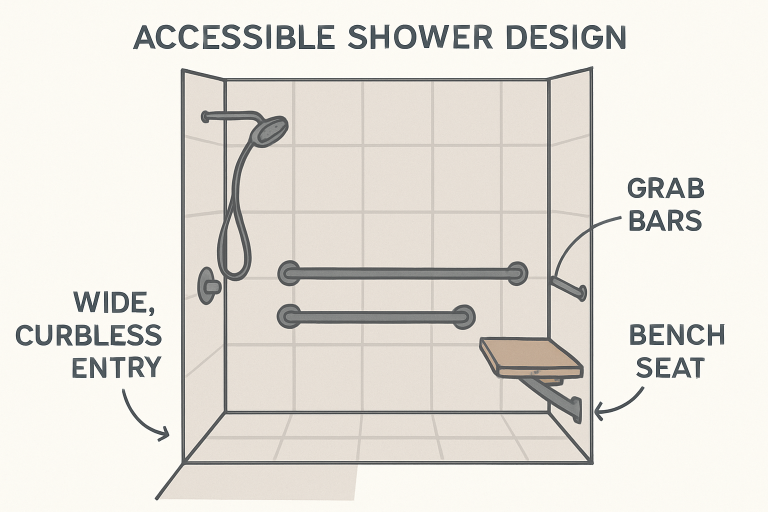
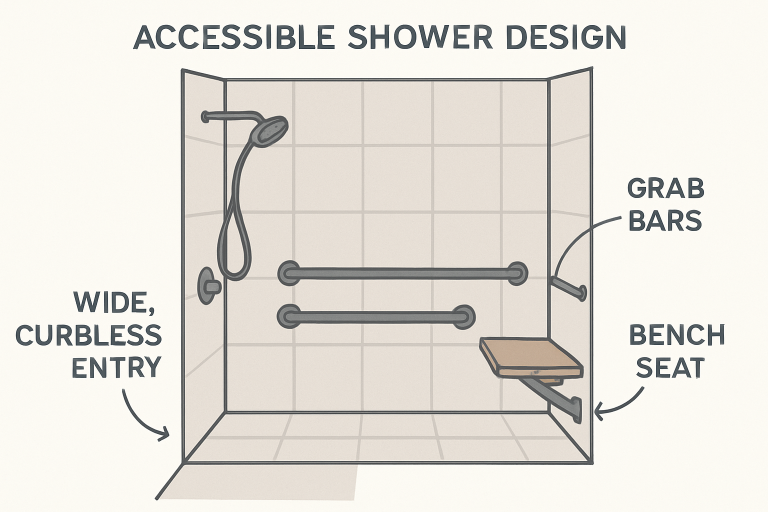
Accessible showers are specifically designed so people with diverse needs can bathe safely and easily. Commonly, these showers remove physical obstacles such as thresholds or tight enclosures that can pose risks or create barriers for people using mobility aids. Essential elements often include wider openings, sturdy grab bars, and slip-resistant floors. These features cater not just to people with disabilities but also extend comfortable use to children, elderly family members, and anyone who might experience illness or injury. According to the Centers for Disease Control and Prevention, falls are a leading cause of injury in the bathroom, especially among older adults. An accessible shower with supportive elements is a preventive measure that makes sense for households seeking greater protection and peace of mind. By considering everyone in the home and future needs, homeowners can create more resilient and livable spaces.
Essential Features of an Accessible Shower
- Curbless Entry: The absence of a threshold means users do not have to lift their feet to enter, eliminating a major tripping hazard.
- Grab Bars: Securely mounted bars positioned near entrances and water controls provide essential support, especially for those with limited balance or strength.
- Adjustable Showerheads: Flexible and height-adjustable showerheads accommodate everyone, regardless of whether they are standing, sitting, or using a mobility device.
- Non-Slip Flooring: Specially textured tiles or vinyl options reduce the risk of slipping in wet conditions, further enhancing safety.
- Ample Space for Maneuvering: Spacious layouts enable wheelchair users or people with walkers to turn and position themselves comfortably.
Planning for Future Needs
One of the best ways to maximize value from a bathroom renovation is to plan for changes in your household. Whether your family is growing or you are thinking long-term about aging in place, accessible upgrades today can help avoid the need for disruptive, expensive changes later. Research from Houzz reports that nearly 70% of homeowners considering special needs are preparing for the future, not just their current needs, as stated in the Houzz Study.
Early consideration also allows for a more integrated design, ensuring accessibility is not treated as an afterthought. Stylish grab bars, cleverly designed curbless entries, and subtle anti-slip textures can seamlessly blend with modern or traditional bathroom décor while still serving their functional purpose.
Cost Considerations
Incorporating accessible features in a bathroom does represent an upfront investment. Still, it can significantly increase a home’s value while helping to prevent costly retrofitting in the future. For instance, a basic roll-in shower can range anywhere from $2,000 to $7,500, depending on the level of customization, choice of materials, and local labor costs. Opting for durable hardware, slip-resistant flooring, and certified professional installers ensures that this investment is protected and delivers long-lasting, reliable results.
There is also a measurable return on safety and quality of life. Accessible showers dramatically reduce the risk of bathroom injuries, which, according to statistics, account for over 200,000 emergency room visits annually in the United States. Features such as grab bars, low thresholds, and built-in seating provide tangible support for seniors, young children, and individuals with mobility challenges. Beyond the practical benefits, these upgrades offer peace of mind, allowing families of all sizes and ages to use the bathroom confidently and comfortably. Ultimately, the combination of increased home value, improved safety, and enhanced daily convenience makes accessible shower installations a smart and worthwhile investment.
Real-Life Applications
Across the nation, nonprofit organizations are also recognizing the need for accessible bathing options. For instance, Project Refresh delivers mobile shower units to individuals experiencing homelessness, bringing dignity and hygiene to people who often lack private facilities. These initiatives highlight the profound impact that accessible shower features can have in creating a more equitable and inclusive society. By designing bathrooms that accommodate a wider range of needs, these improvements ensure that everyone, from children to seniors or individuals with physical limitations, can use the space safely and comfortably. Even in private residences, homeowners are increasingly finding inspiration in these solutions, adapting features that were once primarily found in commercial, healthcare, or community settings. Walk-in showers with low or no thresholds eliminate barriers that can make traditional tubs difficult or dangerous to navigate. At the same time, fold-down seats provide convenient support for those who may tire easily or require additional stability. Lever-style handles and water controls designed for limited dexterity allow anyone to adjust temperature and flow without strain. At the same time, grab bars, non-slip flooring, and handheld showerheads further enhance safety and usability. These thoughtful adaptations not only improve accessibility but also integrate seamlessly with modern design trends, allowing homeowners to create stylish bathrooms without sacrificing functionality.
In addition to their practical benefits, these features promote independence and dignity. Older adults, people with temporary injuries, and individuals with long-term mobility challenges can maintain greater autonomy when using an accessible shower. Families with young children also benefit, as safer, more manageable spaces reduce the risk of accidents during bath time.
By embracing accessible design, homeowners contribute to a culture that values inclusivity and long-term adaptability. These innovations demonstrate that safety, comfort, and aesthetics are not mutually exclusive. Modern bathrooms can be both elegant and functional, providing spaces that are welcoming for all users while supporting the well-being, confidence, and peace of mind of everyone in the household. Accessible showers ultimately represent a forward-thinking investment in both lifestyle and social responsibility.
Conclusion
Thoughtfully designed accessible showers offer more than convenience, as they provide safety, style, and peace of mind for all members of the household. By integrating functional elements early and prioritizing accessibility, homeowners not only enhance daily comfort but also invest in long-term home value and flexibility. From basic features like grab bars to comprehensive walk-in shower systems, these upgrades can ensure your bathroom remains a welcoming and inclusive space for years to come.
Related Posts
 7 Common Mistakes Made by New Pet Owners & How to Avoid Them
 Creating Productive Environments: Best Practices in Workplace Design
 Watches and Bracelets: How Women’s Jewellery can easily Improve an Outfit
 What is the cheapest way to feed your chickens?
 Things That Probably Shouldn’t Irritate Me But Do
 5 Ways To Make Your Wedding More Memorable