Table of Contents
- Stress Relief and Mindfulness
- Enhancement of Motor Skills
- Boosting Creativity
- Improving Focus and Concentration
- Emotional Expression and Mental Health
- Socialization and Family Bonding
- Final Thoughts
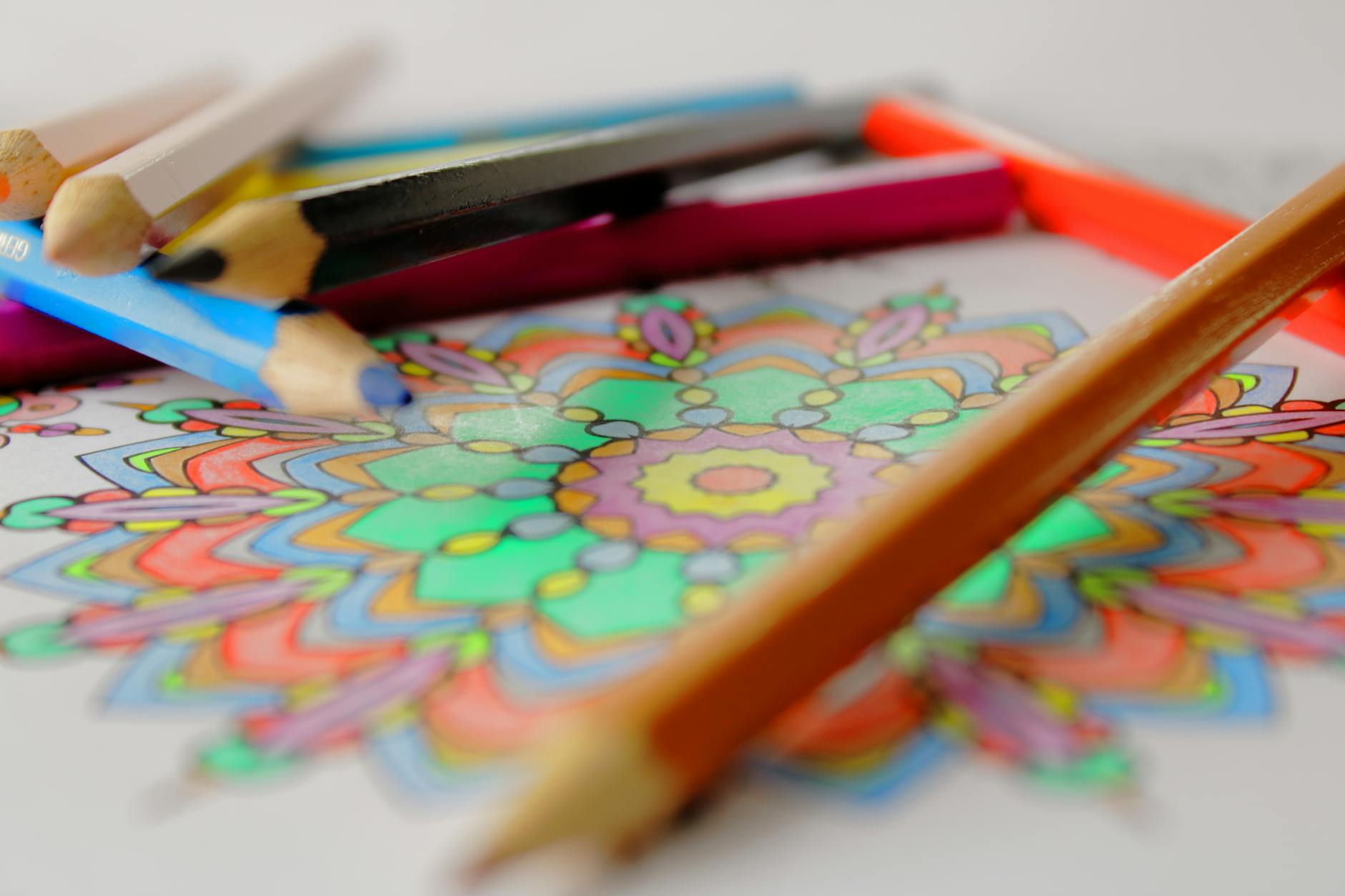
Coloring is more than just a childhood activity. People of all ages now recognize that filling in shapes and patterns with vibrant colors can offer meaningful benefits beyond simple entertainment. Whether at home, at work, or as part of a therapeutic program, coloring encourages mindfulness, relieves stress, sparks creativity, and helps people connect. For those interested in exploring a wide variety of coloring resources, pennydellpuzzles.com offers an extensive collection of coloring books and pages suited for all ages and interests.
From boosting brain function to supporting emotional health, the positive impacts of coloring are being recognized in research and daily life alike. Both adults and kids can use coloring as a simple, accessible way to support their mental well-being, tap into creativity, and bond with others. This article delves into the key benefits, backed by current findings and real-world results.
Stress Relief and Mindfulness
One of the most widely reported benefits of coloring is its ability to reduce stress and encourage a mindful state. When people engage in coloring, the repetitive motions and focus on color choice and pattern create a meditative effect. This activity can shift attention away from worries and into the present moment, helping individuals quiet mental chatter and regulate their emotions.
Research and mental health experts explain that creative practices like coloring stimulate the brain’s reward pathway, producing feelings of satisfaction and calm. The Mayo Clinic highlights that coloring can promote mindfulness and relaxation, providing a much-needed “time out” from overstimulation and daily anxieties.
Enhancement of Motor Skills
For children, coloring is invaluable for developing fine motor skills. The act of gripping pencils, crayons, or markers and practicing precision and control directly translates to improved hand-eye coordination and dexterity. These skills are necessary for school readiness, handwriting, and countless life activities.
Adults benefit as well. Coloring can help maintain or even rebuild motor skills in those recovering from injury, stroke, or dealing with conditions like arthritis. By requiring careful movement and planning, coloring keeps the brain and muscles engaged in a low-impact, enjoyable way. Experts at Healthline note that activities requiring detailed hand movement can bolster coordination and support lifelong motor function.
Boosting Creativity
While children often use coloring as one of their first creative outlets, adults can rediscover their artistic side through this accessible hobby. Coloring lets people choose colors and design patterns, making new aesthetic choices and igniting creativity and self-expression that might be dormant in day-to-day routines.
Adults who do not usually participate in traditional art forms often find coloring is a manageable way to express themselves. Screening out perfectionism and exploring color combinations can make the creative process more approachable. According to experts at Healthline, engaging the imagination through coloring enhances problem-solving skills and encourages inventive thinking.
Improving Focus and Concentration
Coloring requires a deep level of attention, especially when working on intricate designs or patterns. This targeted focus can translate into improved concentration skills, which are beneficial in other areas of life, such as school, work, and time management. For children, this is especially useful for practicing following instructions, sticking with tasks, and seeing projects through to completion.
Adults, meanwhile, may find that regular coloring sessions enhance their ability to block out distractions and immerse themselves in detail-oriented activities. These skills are valuable for both personal and professional tasks that require sustained attention.
Emotional Expression and Mental Health
Coloring provides an accessible and non-verbal outlet for emotions. For children, this can mean expressing feelings they cannot yet articulate. For adults, coloring can offer relief from anxiety or depression. It is frequently used in art therapy to facilitate self-reflection and emotional healing.
The act of selecting colors and filling in images allows for personalization and symbolic communication, making it easier to process difficult emotions or moods. As Healthline notes, even brief coloring sessions can reduce symptoms of distress and improve overall well-being.
Socialization and Family Bonding

RachelmmxdbgEdit Profile
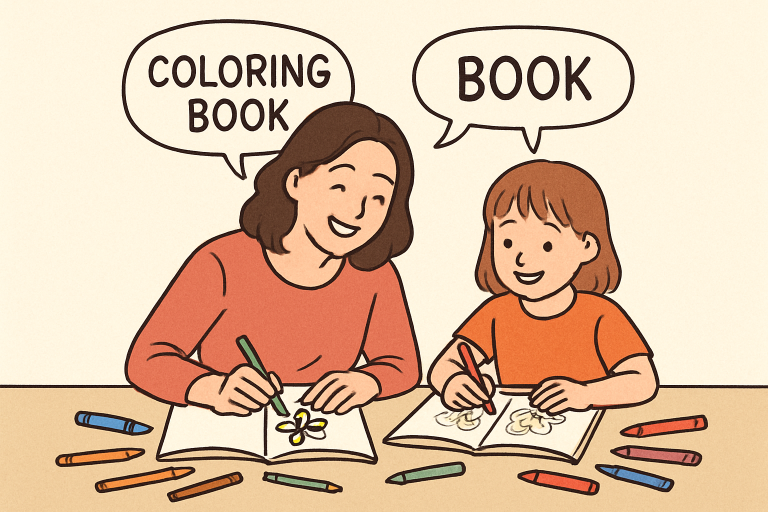
Coloring together can be a bonding experience, whether with family, friends, or classmates. Setting aside time for group coloring opens the door to conversation, laughter, teamwork, and shared accomplishments. It provides a structured yet relaxed environment for people to connect, communicate, and enjoy one another’s company.
Families and groups who regularly color together report stronger relationships and better communication. For parents and educators, coloring also presents chances to teach patience, positive reinforcement, and the value of shared activities.
Final Thoughts
Coloring is a powerful tool for promoting wellness at any age. Regular practice can reduce stress, support emotional healing, develop motor and concentration skills, and bring people closer together. Whether alone or as a group activity, coloring provides a simple yet rewarding way to foster creativity and nurture a healthy mind. By making it part of your daily or weekly routine, you can enjoy these lasting benefits in a colorful, fun way.